This project summarizes my work as a System Designer and Researcher at Age of Learning. The work is distributed across two products: My Math Academy and My Reading Academy. Overall, I am responsible for conducting research to analyze performance of system features and designing data-driven solutions based on the research insights.
My Contributions
– Designed an AI-driven adaptive system to reduce time spent on pretest assessments. Results showed a 62% improvement in the onboarding time within 2 quarters.
– Increased placement efficiency of the adaptive system by 14% through field studies in schools, user interviews, and A/B testing.
– Facilitated design workshops with leadership, UX Designers, product managers, and curriculum to reach a cross-discipline understanding and strategic direction of the adaptive system.
– Conducted stakeholder interviews with curriculum experts and communicated insights with the Data Science team to improve the performance of the recommendation system.


Background & Goal
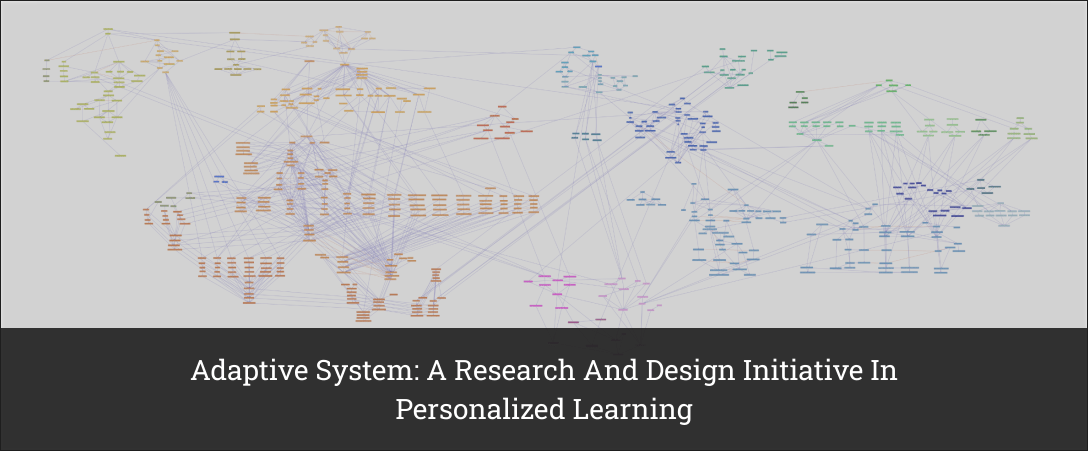
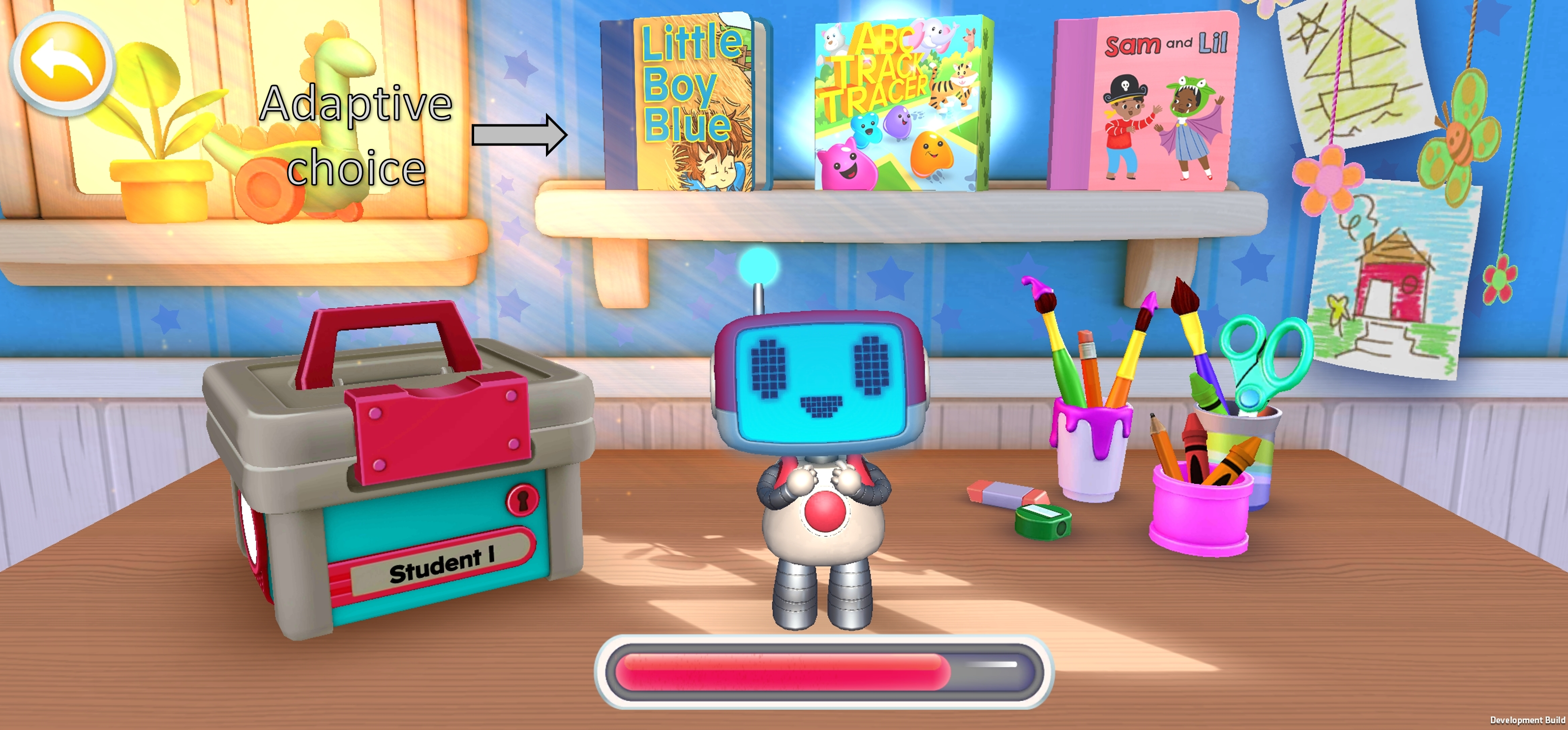
My Math Academy and My Reading Academy are educational game products for pk-2 learners. The products help build a strong foundation in Math and Reading skills for young learners. The image below shows adaptive hubs presented to the players a snapshot of the network of mini-games for My Reading Academy.

System Design and Research

Developed an AI-driven placement algorithm (Xnode-place) to improve player placement: placing players in the right place of their learning trajectory is a key feature provided by the adaptive system. It is important that the system meets the player at their level of understanding to ensure a relevant and engaging first-time user experience. The challenge faced for this feature was the trade-off between time spent assessing players to determine their skill level vs the efficiency of placement determined using pretests. I designed the xnode algorithm guided by the principles of knowledge-space theory, which helped identify the most efficient sequence of pretest to discover sufficient information about the player to place them on the nodemap. This algorithm utilized the prerequisite-based network structure to identify points on the map which provide the most information about the player. This is analogous to identifying hot-spots within a asymmetric network of connections. The algorithm reduced the number of pretest required before placement by ~62%. This helped the system to quickly place players on the nodemap and get to playing games more quickly!
Conducted field research, immersing myself in educational environments to better understand user experiences. By observing students in classrooms and engaging in semi-structured interviews with teachers, I gained valuable insights into usage patterns and perspectives on our adaptive system. This hands-on approach informed strategic improvements, contributing to a remarkable 14% increase in placement efficiency through a blend of user interviews, classroom observations, and A/B testing. This comprehensive field research not only enhanced the functionality of our adaptive system but also underscored the transformative impact of integrating real-world insights into the product development process.
Led cross-disciplinary design workshops involving higher-level management, UX designers, product managers, and curriculum experts. My effective communication skills were pivotal in aligning diverse perspectives and ensuring a unified strategic direction for the adaptive system. This collaboration spanned across departments, emphasizing the integration of user experience considerations, alignment with company strategy through engagement with leadership, and a unique collaboration with curriculum experts to bridge technical design and educational content. Overall, my role contributed to fostering a culture of interdisciplinary collaboration and shaping a cohesive vision for the adaptive system within the organization.
 Shashank Pawar